SynBio Lab
A modern SynBio laboratory is far more than a physical space filled with instruments – it is the intellectual and technological heart of scientific education and innovation. For students participating in the dual master’s program in Synthetic Biology between the University of Thessaly and McGill University, access to state-of-the-art laboratory infrastructure is fundamental to their academic and professional development.
Synthetic biology is an interdisciplinary field that integrates molecular biology, engineering, computational analysis, and biotechnology to design and construct novel biological systems. To train students effectively in such a demanding and rapidly evolving discipline, hands-on experience with advanced instrumentation is indispensable. A well-equipped laboratory empowers students to move beyond theoretical understanding and engage directly with experimental design, precision molecular techniques, microbial engineering, omics analysis, and bioinformatics-driven research.
Moreover, exposure to automated platforms, high-throughput technologies, and computational workstations mirrors the environment of leading international research centers and biotechnology industries. This ensures that graduates of the program are not only academically prepared but also technologically fluent and professionally competitive on a global scale. By fostering experimental rigor, innovation, collaboration, and technical confidence, this laboratory infrastructure forms the foundation for training the next generation of synthetic biologists.
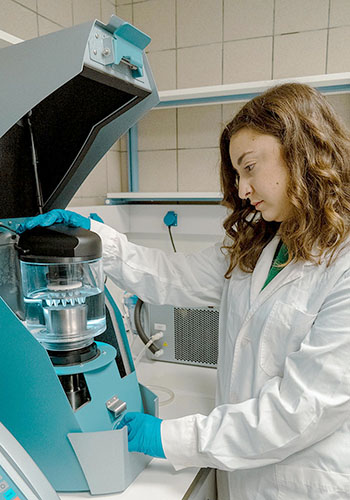
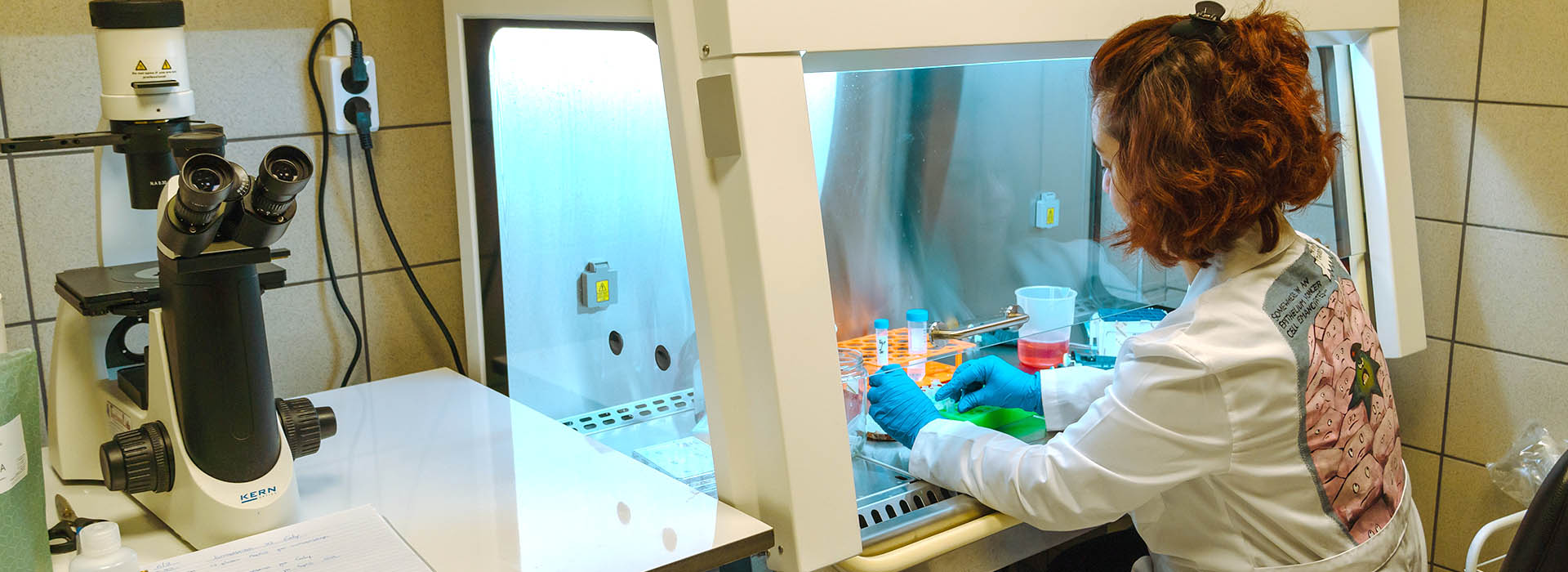
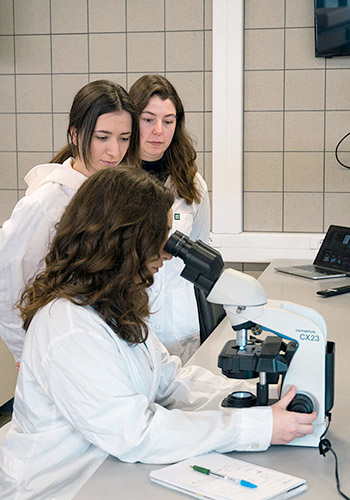
Laboratory Equipment
Automation & High-Throughput
- Automated liquid-handling and robotic systems for sample preparation, nucleic-acid extraction, sequencing-library construction, and qPCR workflows.
- Oligonucleotide synthesizer and crystallization robot for automated synthesis and structural biology applications.
PCR & Digital Amplification
- PCR, qPCR, real-time PCR, and digital PCR systems for nucleic-acid amplification and quantification.
Next-Generation Sequencing
- Illumina iSeq/MiSeq and Oxford Nanopore MinION sequencing platforms.
- TapeStation Bioanalyzer for nucleic-acid quality control and sizing.
Imaging & Detection
- Fluorescence, confocal, and phase-contrast microscopy systems.
- Gel imaging, chemiluminescence detection, and multimodal plate readers.
Cell & Microscale Manipulation
- Microinjection, electroporation, and micropipette fabrication systems for cellular manipulation.
Cell & Microbial Culture
- CO₂ incubators, laminar-flow hoods, microbial incubators, and integrated cell-culture facilities.
Sample Processing & Storage
- Centrifuges, ultracentrifuges, ultra-low freezers, and liquid-nitrogen storage systems.
Analytical Chemistry & Structural Biology
- Spectrophotometry, gel electrophoresis, HPLC, LC-MS/MS, FPLC, and protein crystallography systems.
Bioprocess, Plant & Food Units
- Bioreactors, plant-growth chambers, insectary facilities, and food-processing/sensory-analysis units.
Computing Infrastructure
- High-performance computational servers and specialized workstations for omics, structural biology, and data analysis.